Extreme Overnight Trips 21 min read

Extreme Day Trips & Extreme Overnight Trips: Why Everyone Is Talking About Them

What if you could leave the UK in the morning, stand high in the Swiss Alps by lunchtime and cross into Germany and France before bed? I tried an Extreme Overnight Trip for myself — four countries in under 24 hours — and finally understood why this fast-paced style of travel has captured so much attention.

Stop scrolling. If you’ve ever said you haven’t got enough annual leave to travel more, this might change the way you think about going away.

There is a style of travel that has become increasingly difficult to ignore: Extreme Day Trips, usually shortened to EDTs, and their slightly less frantic cousin, Extreme Overnight Trips, or EOTs.

The premise sounds slightly ridiculous when you first hear it.

Fly abroad in the morning. Explore somewhere completely different. Eat, walk, sightsee and experience as much as you reasonably can. Then either fly home that evening or stay one night before heading back the following morning.

No week-long itinerary.

No huge suitcase.

Potentially no annual leave at all if you plan around your normal days off.

I had watched other people doing Extreme Day Trips and wondered whether they were genuinely enjoyable or simply another social-media travel trend that looked better on a phone screen than it felt in real life.

So rather than speculate, I tried the concept for myself.

My version was an Extreme Overnight Trip.

In less than 24 hours I travelled from the UK to Switzerland, headed deep into the Swiss Alps, stood on the Cliff Walk at Grindelwald First, stopped in Interlaken, continued to Basel, crossed into Germany by tram, walked over the Rhine into France and returned to Switzerland that evening.

Four countries in under 24 hours: the UK, Switzerland, Germany and France.

Fast-paced?

Absolutely.

Exhausting at moments?

A little.

Would I do another one?

Yes.

But I also learnt that there is a right way and a very wrong way to plan this type of trip.

This guide explains what Extreme Day Trips and Extreme Overnight Trips actually are, why people love them, who should probably avoid them and how to make a short trip feel exciting rather than stressful.
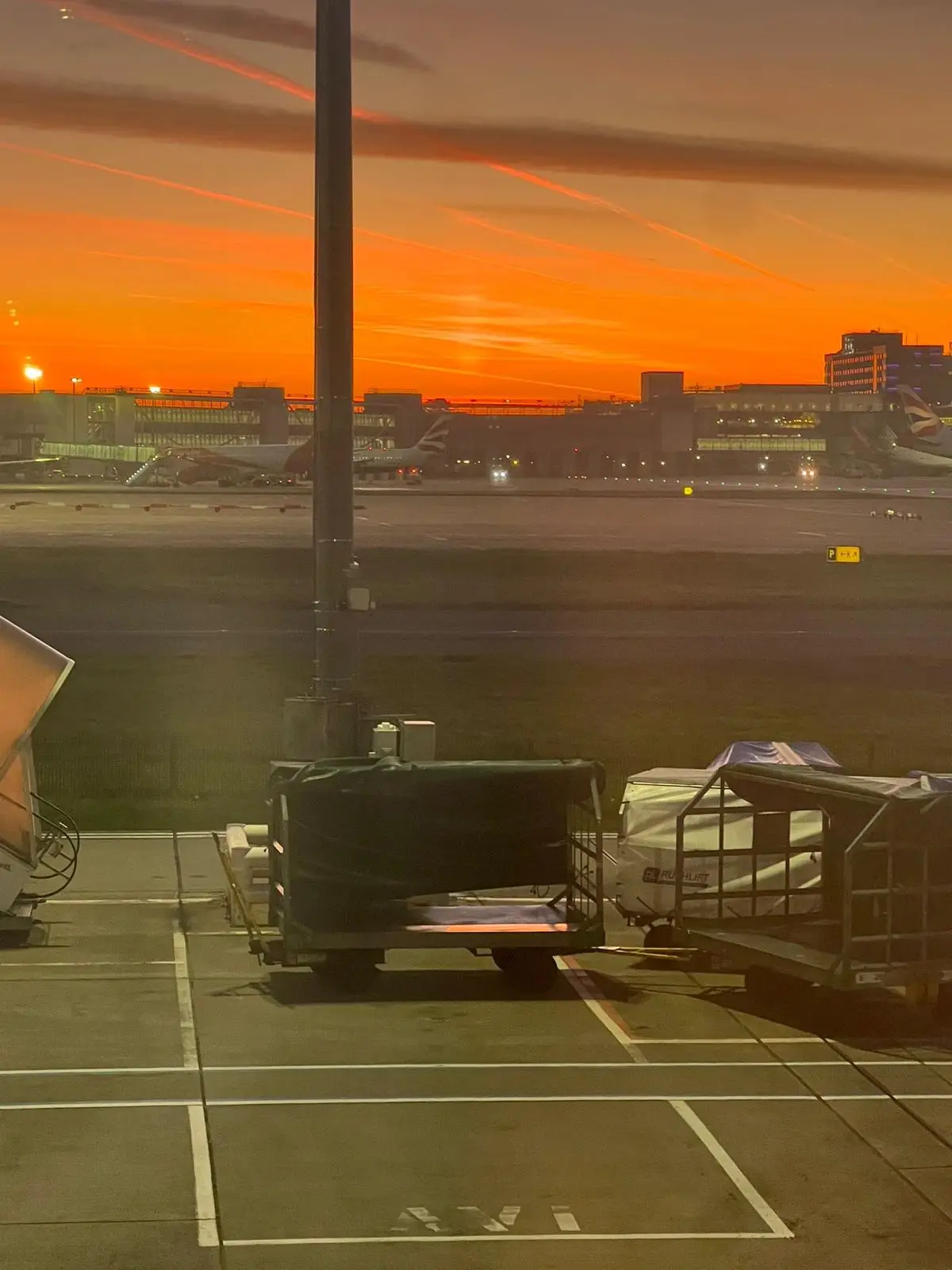
What is an Extreme Day Trip?

An Extreme Day Trip, or EDT, is an informal term for travelling a significant distance — often internationally — and returning home without staying overnight.

There is no official tourism-industry definition or rulebook.

In practice, the version attracting most attention in the UK involves taking a very early flight to another European country, spending as much of the day there as possible and catching a late flight home.

The “extreme” part does not necessarily mean jumping from mountains or doing anything dangerous.

It is the distance and amount of experience packed into a very short period of time that makes the trip unusual.

You could, theoretically, have breakfast in Britain, lunch overlooking an Alpine valley and be back in your own bed that night.

That’s the appeal.

What is an Extreme Overnight Trip?

An Extreme Overnight Trip, or EOT, takes the same idea but adds one night away.

Again, this is an informal travel-community term rather than an official classification.

You might:

depart very early on Saturday
spend all Saturday exploring
stay one night
enjoy a few final hours on Sunday morning
return home on Sunday

For many people, I actually think this is the sweet spot.

You retain that sense of adventure and spontaneity, but removing the pressure of catching a flight home on the same evening gives you considerably more flexibility.

That was the approach I chose for Switzerland.

Extreme Day Trip vs Extreme Overnight Trip

Extreme Day Trip Extreme Overnight Trip
Accommodation None One night
Typical length Same day Roughly 24–36 hours
Pace Very fast Fast, but more forgiving
Luggage Usually small personal bag Small bag is normally enough
Cost Can avoid hotel expense Adds one night’s accommodation
Delay tolerance Low Better
Best for Simple city itineraries More ambitious trips
My preference Destination dependent Usually EOT

For a compact city with an easy journey from arrival point to centre, an EDT can work brilliantly.

For mountains, multiple destinations or a more complicated itinerary, I would lean towards an EOT.

Why are Extreme Day Trips becoming so popular?

Part of their appeal is obvious.

Time.

For many of us, annual leave is precious.

A traditional holiday may use five or ten days of it. An Extreme Day Trip arranged on a Saturday can potentially use none.

Then there is the psychological side.

A normal Saturday might disappear into shopping, housework and scrolling through your phone.

An Extreme Day Trip can begin in darkness at a UK departure lounge and, several hours later, put you somewhere that feels completely removed from everyday life.

That contrast is addictive.

There is also a shift towards experience-led travel.

Rather than asking:

“How long can I go away for?”

people are increasingly interested in:

“What can I experience with the time I’ve got?”

That does not mean longer holidays are disappearing. I certainly would not replace a proper seven or fourteen-night holiday with nothing but 18-hour dashes around Europe.

They serve completely different purposes.

But an EDT can fill the gaps between bigger holidays extremely well.

My Extreme Overnight Trip: Four Countries in Under 24 Hours

This is where the theory became real for me.

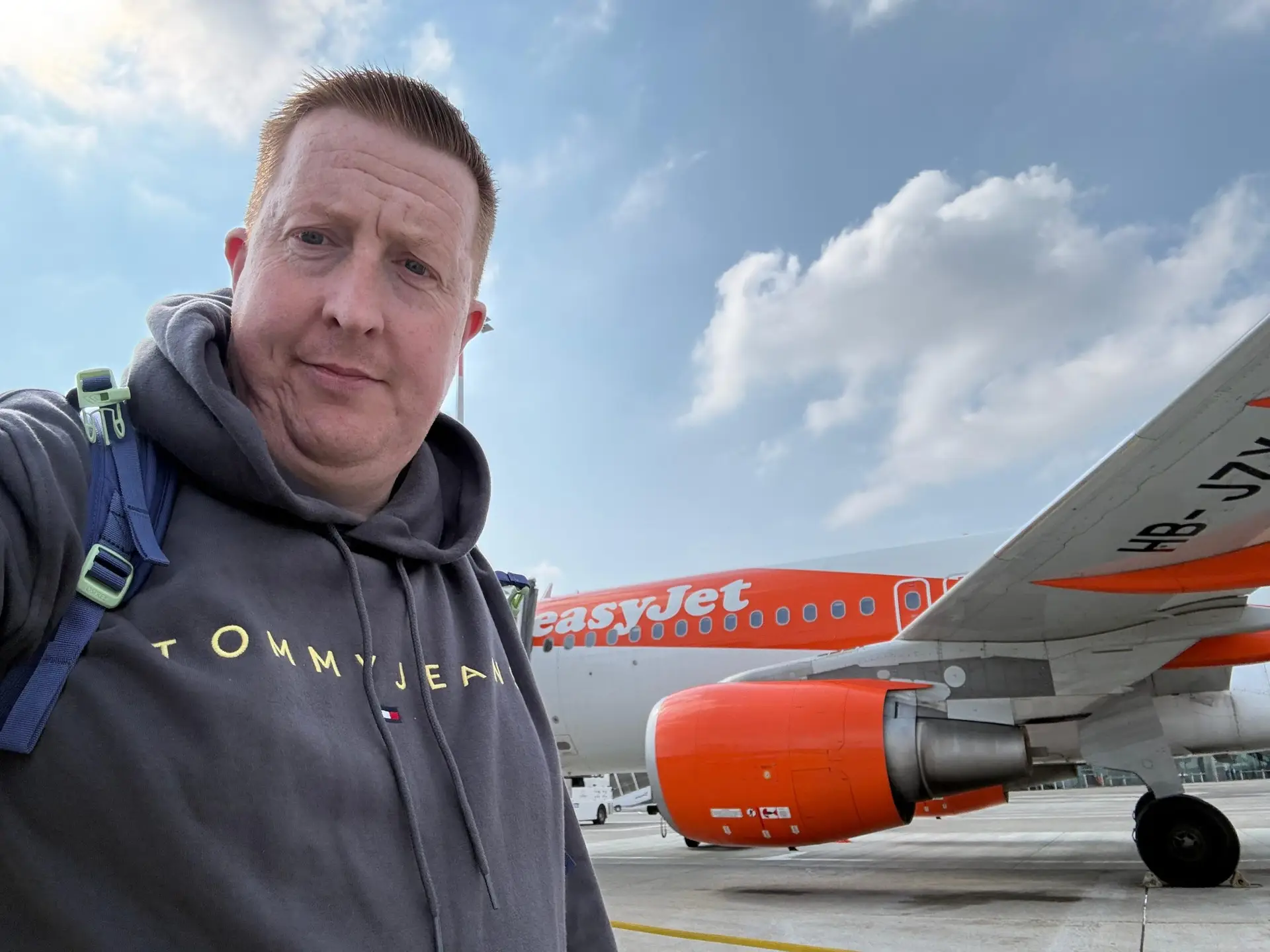
My journey started with an early departure from Gatwick.

The first destination was Zürich, where I landed shortly after 09:00.

But Zürich was not really the destination.

The Alps were.

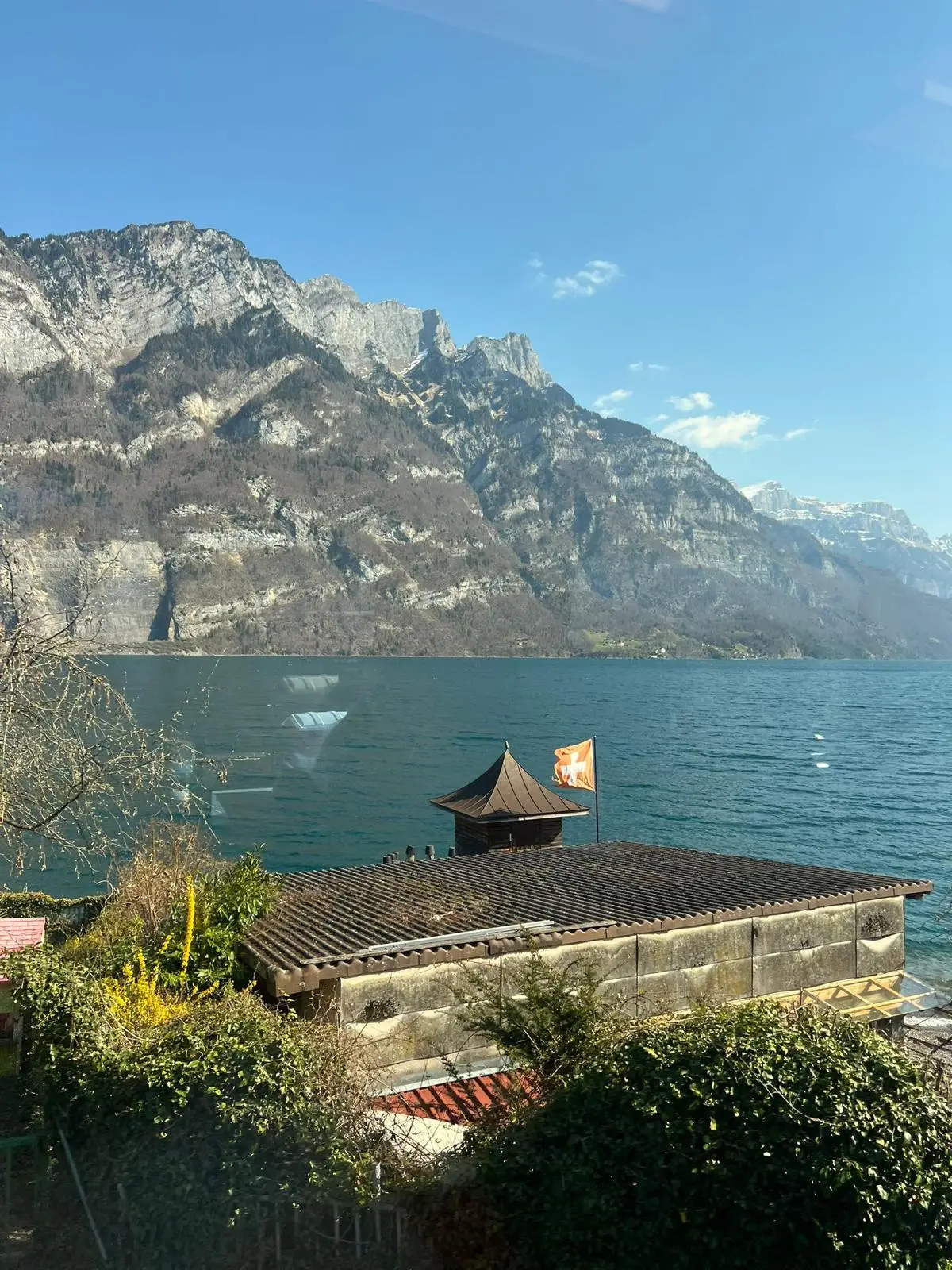
From there I continued towards Grindelwald, surrounded increasingly by the kind of Swiss scenery that makes you realise very quickly that you’ve left home behind.

And that is when the attraction of this form of travel clicked with me.

Only a few hours earlier I had been at Gatwick.

Now I was heading into the Swiss Alps.

Grindelwald: Going Straight for the Big Experience

If you only have a short amount of time somewhere, I think there is an important rule:

Do not waste your best hours saving the highlight until later.

Go and do the thing you actually travelled for.

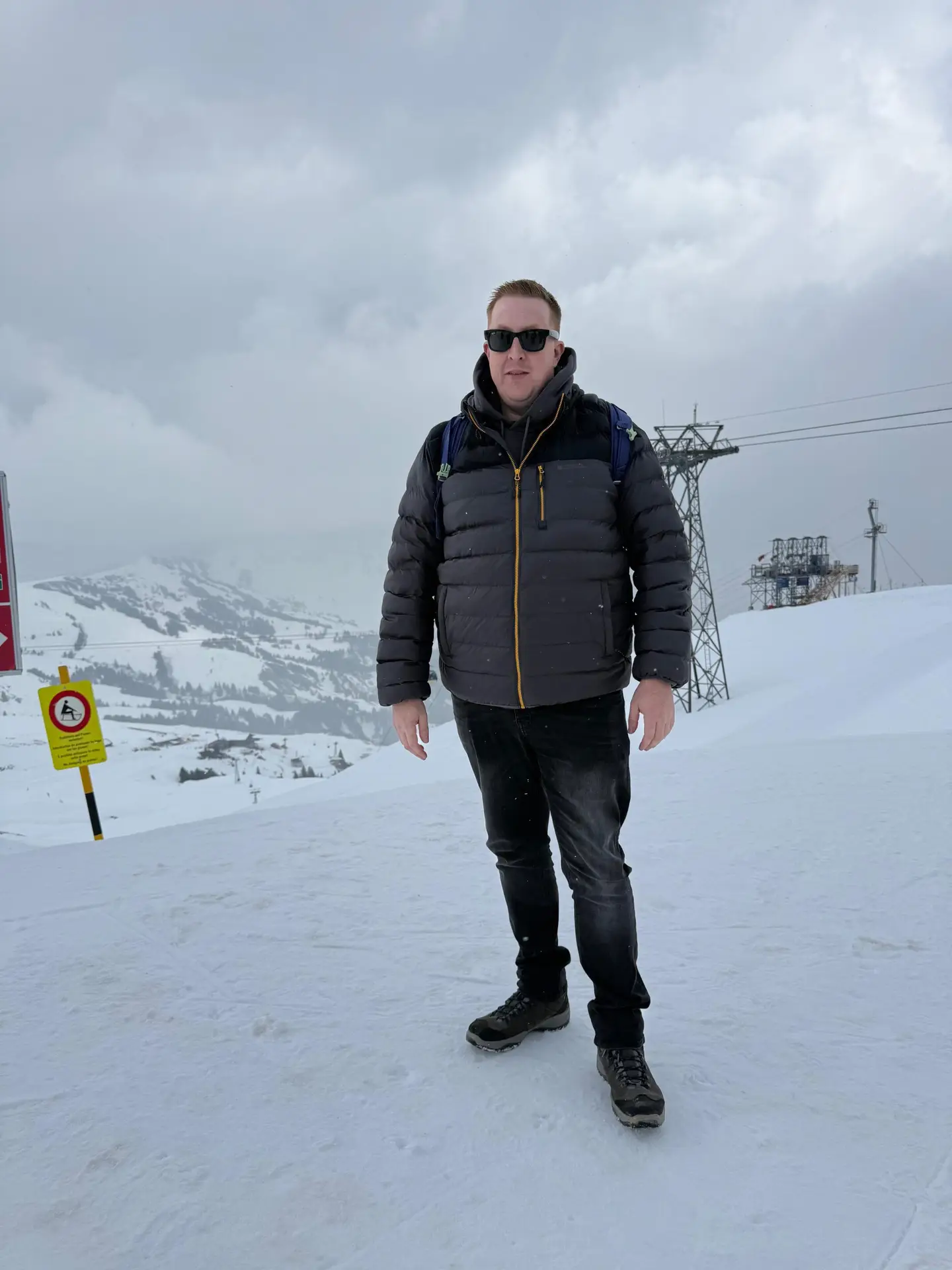
For me, that meant Grindelwald First.

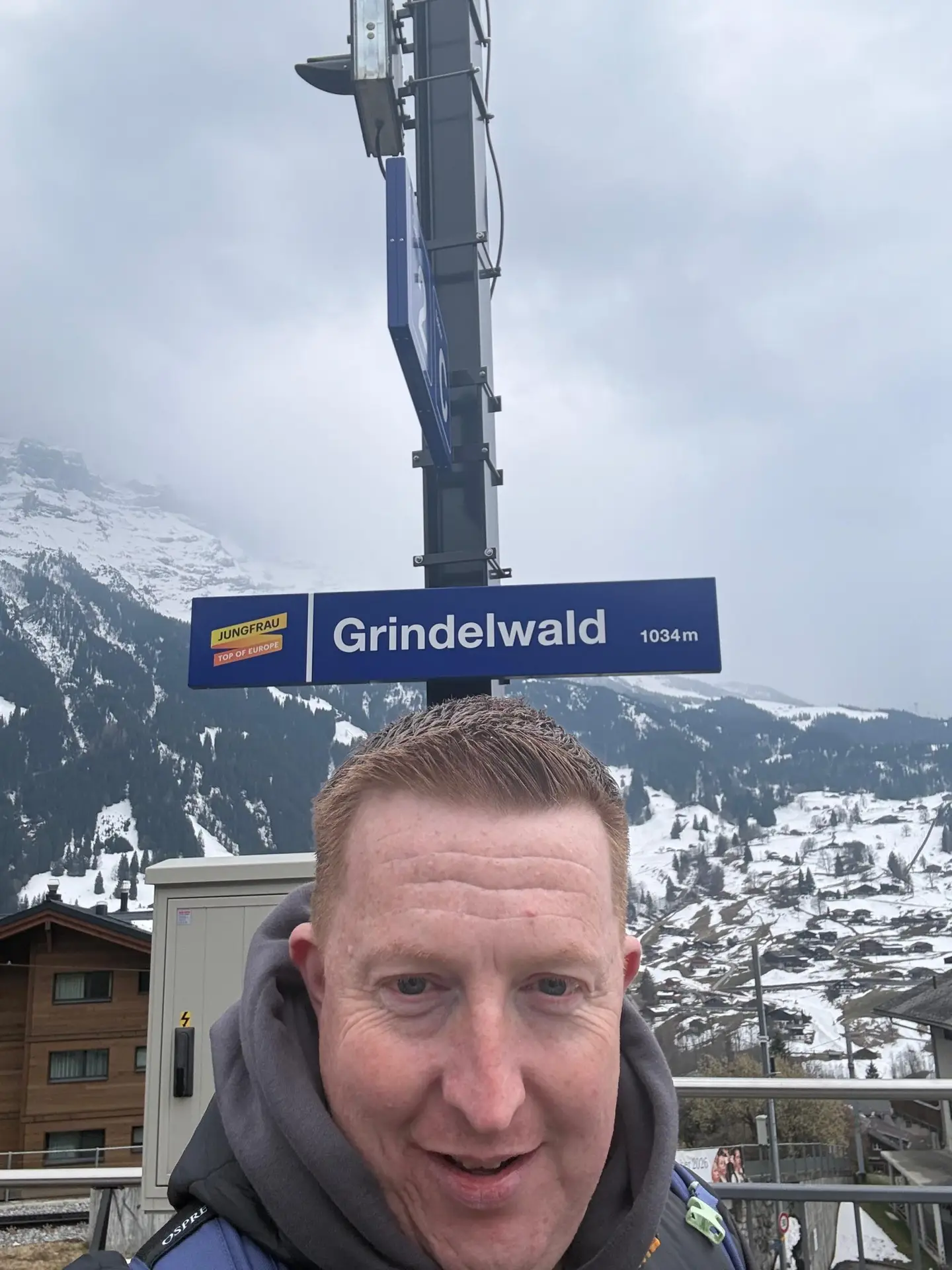
Grindelwald sits in Switzerland’s Bernese Oberland beneath some extraordinary Alpine scenery, including the Eiger.

From the village, we headed up by cable car towards First Mountain.

Switzerland Tourism places Grindelwald First at 2,166 metres above sea level and highlights its panoramic views over the Bernese Alps.

And when you reach the top, those numbers suddenly mean something.

The valley feels a very long way below.

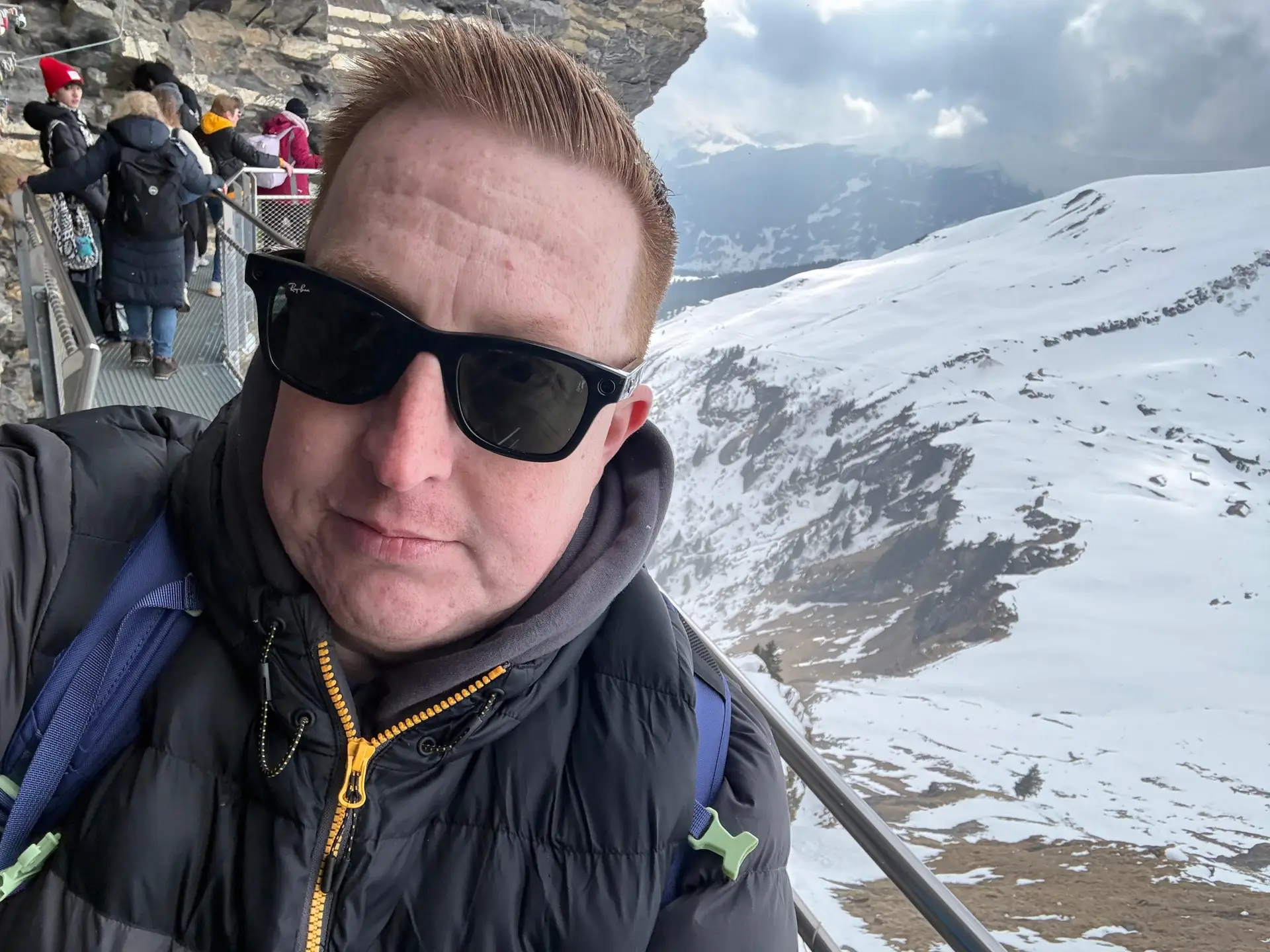
Walking the First Cliff Walk

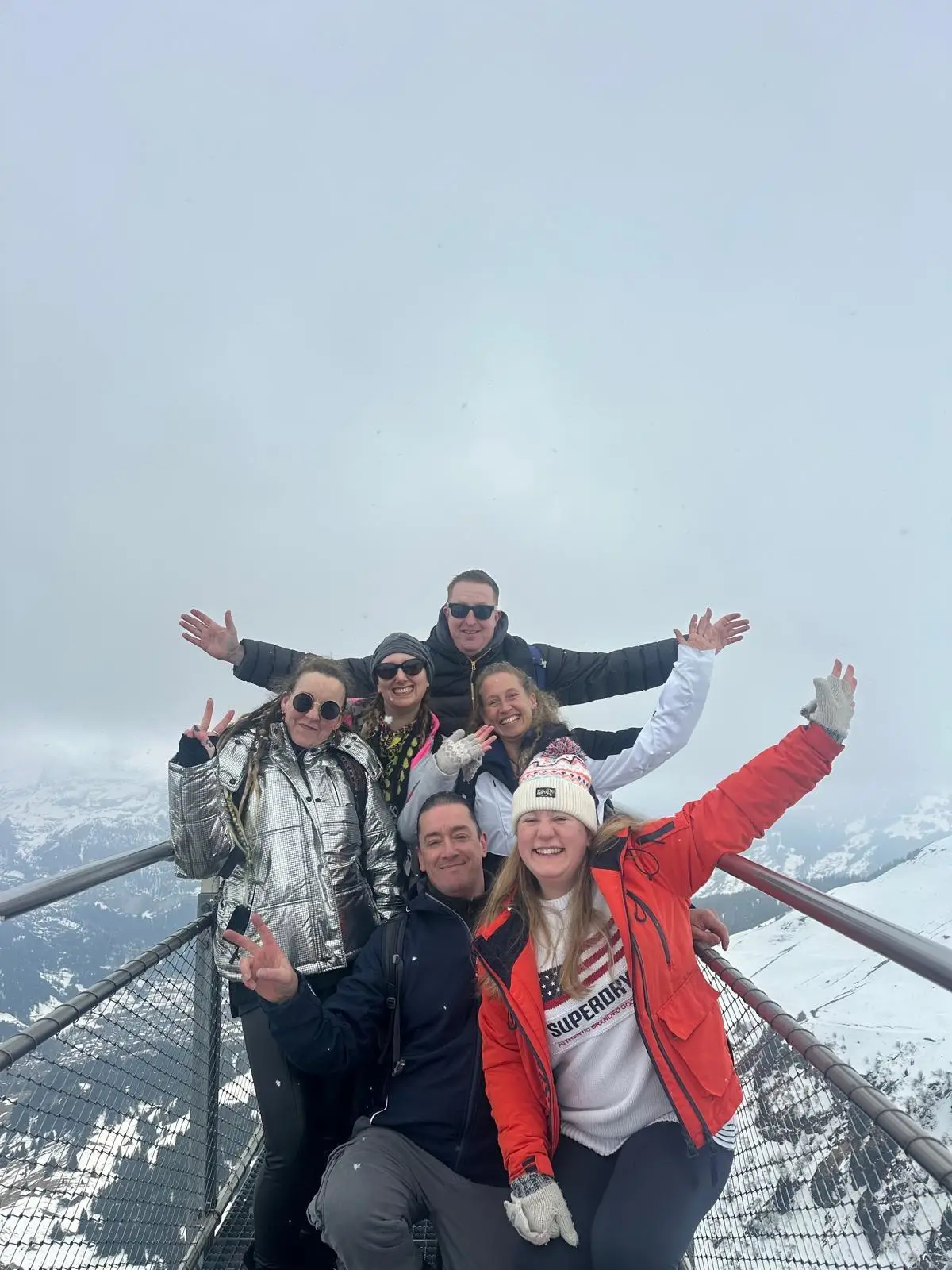
The First Cliff Walk was one of the main reasons I wanted to make the journey.

Sections of walkway cling to the mountainside before leading towards an elevated viewing platform overlooking the landscape.

Standing there, looking across the mountains and deep into the valley, is one of those moments photographs never quite recreate.

You’re surrounded by space.

Mountains in seemingly every direction.

Cloud moving through the peaks.

The valley far beneath you.

Switzerland Tourism describes First as both an adventure destination and a panoramic viewpoint, and that is exactly how it felt.

It was not simply a case of racing up, taking a photograph and leaving either.

We had lunch overlooking the mountains.

That matters.

One of my biggest pieces of advice for Extreme Day Trips is that “maximising your time” should not mean sprinting from one attraction to the next.

Sometimes maximising a destination means sitting down for an hour and actually enjoying where you’ve managed to get to.

From Grindelwald to Interlaken

From Grindelwald to Interlaken

From the Alps we continued to Interlaken.

Interlaken occupies an extraordinary position in the Bernese Oberland between Lake Thun and Lake Brienz, with mountains surrounding the area.

For our trip, it worked as a natural stop rather than the main event.

And this is another useful lesson when planning an EDT or EOT.

Not everywhere needs three hours.

Sometimes a destination works perfectly as:

a scenic stop
somewhere for coffee
a walk
a viewpoint
a meal
a link between two larger parts of your itinerary

If I returned for a longer Swiss holiday, I would explore the region very differently.

But this trip was not supposed to be a conventional Swiss holiday.

That was precisely the point.

Basel: Where Three Countries Come Together

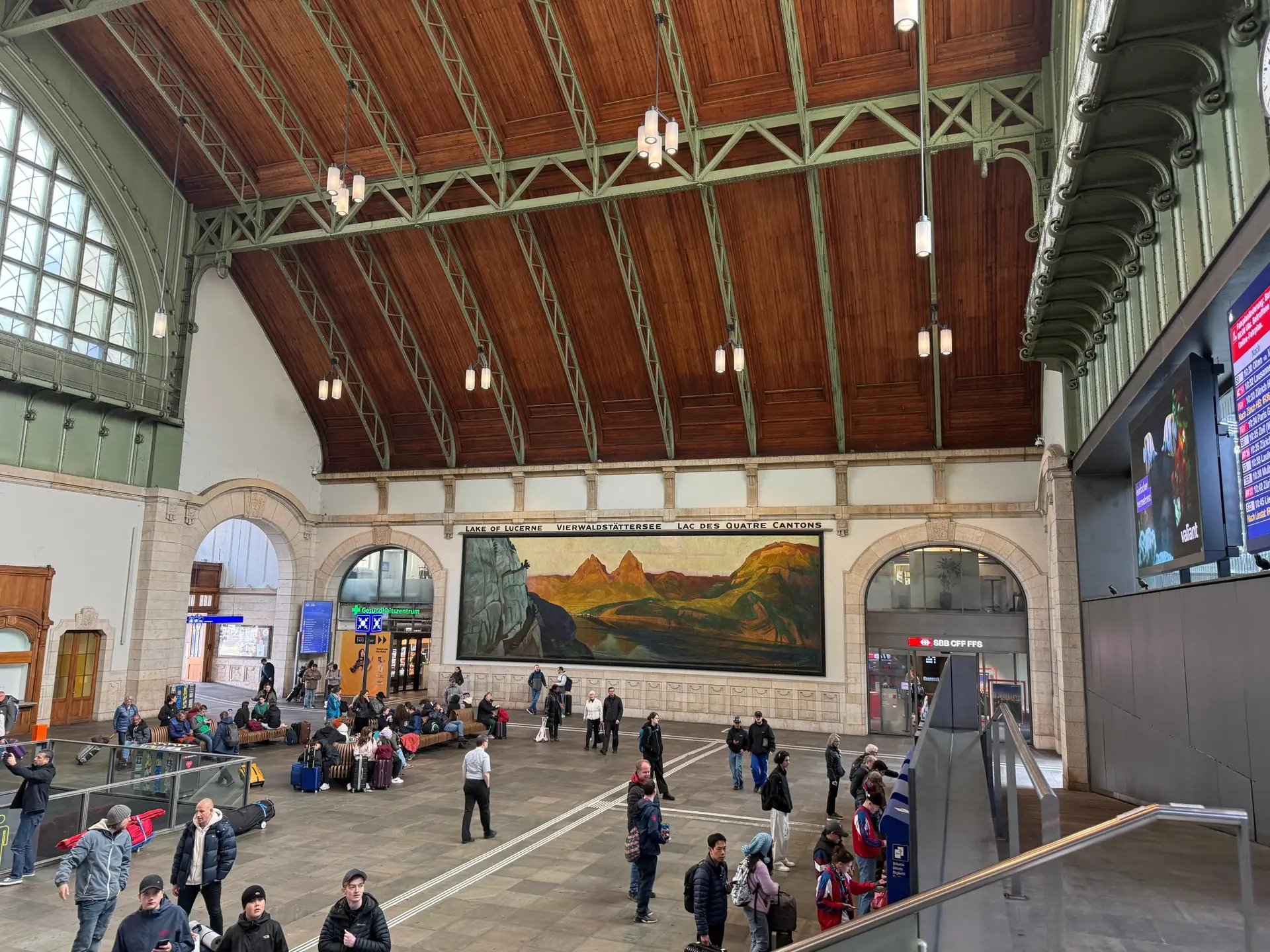
We continued towards Basel, where we would spend the night.

Basel is particularly interesting for this type of trip because of its location close to both France and Germany.

Official Swiss tourism information describes Basel as sitting at the point where Switzerland, Germany and France converge.

So naturally I wondered:

Could we actually visit all three?

The answer was yes.

Crossing from Switzerland into Germany

After checking in, we headed out again.

By tram we crossed from Switzerland into Germany and arrived in Weil am Rhein.

There was something wonderfully bizarre about it.

Normally crossing into another country feels like an event.

Airport.

Security.

Passport control.

Baggage.

Announcements.

Instead, we were sitting on ordinary public transport and suddenly realised we had entered another country.

But we were not finished.

Walking from Germany into France across the Three Countries Bridge

From Germany we headed towards the Dreiländerbrücke — the Three Countries Bridge.

The pedestrian and cycle bridge crosses the Rhine between Weil am Rhein in Germany and Huningue in France.

According to Basel Tourism, the bridge is 248 metres long and crossing it takes only a matter of minutes.

There is something extremely satisfying about physically walking from one country into another.

Halfway across, you have Germany behind you, France ahead and Switzerland only a short distance away.

Basel’s official tourism organisation describes the area as one where travelling between the three countries can happen almost without you noticing.

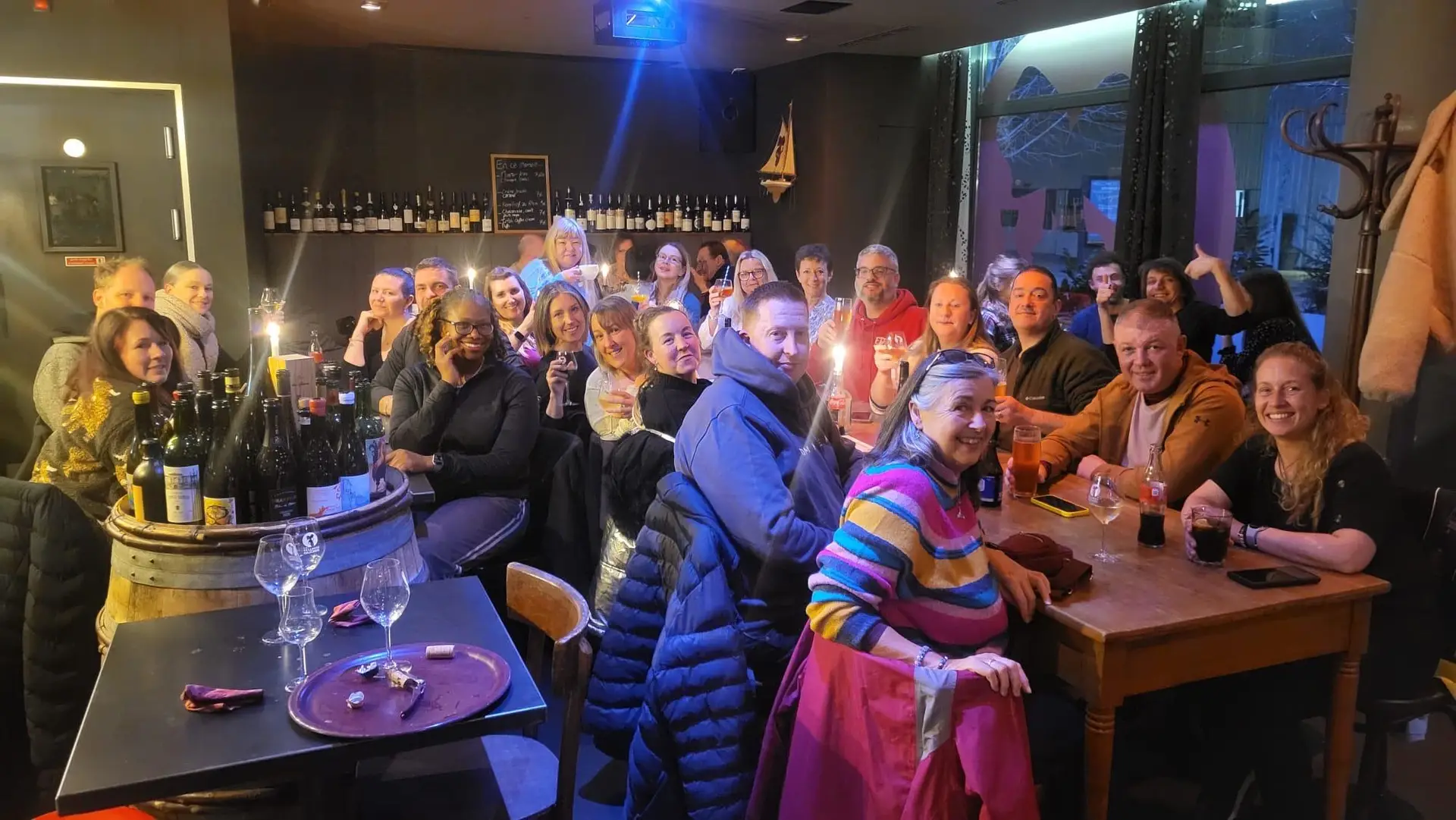
We walked into France and spent part of the evening at a local wine bar.

No frantic sightseeing.

No stopwatch.

Just an evening drink in France after having eaten lunch high in the Swiss Alps a few hours earlier.

That was probably the moment I thought:

I understand this now.

Four countries in under 24 hours

Eventually we returned to Switzerland for the night.

The following morning there was enough time for a little Swiss chocolate shopping before beginning the journey home.

In under 24 hours, the itinerary had included:

United Kingdom
Switzerland
Germany
France

Along with:

Zürich
Grindelwald
Grindelwald First
the First Cliff Walk
Interlaken
Basel
Weil am Rhein
Huningue

Was it a deep exploration of four countries?

Of course not.

And I think being truthful about that is important.

You cannot meaningfully “do Switzerland” in a day.

Nor should you pretend you have.

But can you have a brilliant first taste of somewhere, experience something extraordinary and discover places you might want to return to for longer?

Absolutely.

Are Extreme Day Trips actually worth it?

My answer is yes — provided you choose the right trip.

The danger is becoming obsessed with how many countries, cities or attractions you can technically squeeze onto a spreadsheet.

Travel is not a competitive sport.

An itinerary that says:

7 countries, 11 cities, 14 trains and 22 attractions in 19 hours

might sound impressive.

It might also be absolutely miserable.

A good Extreme Day Trip should feel exciting rather than like an endurance test.

The best ones give you enough time at the destination to justify the journey.

How to choose a good Extreme Day Trip destination

I would assess five things before even looking seriously at an itinerary.

1. Arrival time

This is arguably more important than the airfare.

A very cheap flight arriving at 14:00 is often useless for an EDT.

An early arrival gives you a proper day.

2. Return time

Likewise, an evening return can transform an itinerary.

Look at how many usable hours on the ground you actually get rather than simply how cheap the fare appears.

3. Distance from arrival point to what you want to see

This catches people out.

A destination may advertise itself as serving a famous city while the arrival point is some distance away.

Your £30 bargain suddenly looks rather less exciting when several hours of your day disappear travelling in and out.

Complexity

Every additional connection introduces another possible failure point.

Flight → bus → train → cable car → bus → attraction → train → flight might work beautifully.

But one significant delay can unravel it.

Is there one thing genuinely worth travelling for?

This is the most important question.

I would travel back to Grindelwald for those views.

That gives the journey purpose.

How to plan an Extreme Day Trip properly

An EDT rewards preparation much more than a normal holiday.

On a week away, losing 45 minutes because you took the wrong train is irritating.

On a 10-hour trip, it matters.

Before leaving the UK, I would have:
flight details accessible offline
passport checked
travel insurance arranged
a realistic transport plan
attraction opening times checked
weather forecast checked
emergency alternatives identified
phone fully charged
portable battery
payment card plus backup
some local currency if useful
comfortable footwear
only essential luggage

But I would not schedule every minute.

Leave gaps.

Your itinerary should survive one missed connection.

If it cannot, it is too ambitious.

The golden rule: work backwards

This is one of the best ways to plan Extreme Day Trips.

Start with your return journey.

For example:

Flight departs: 21:00

Then work backwards:

Airport security: allow appropriate time
Arrive at departure point: 18:30–19:00
Leave city: 17:30
Final attraction: finish by 17:00
Lunch: 13:00
Main attraction: morning

Suddenly you know what your actual usable day looks like.

Do not build a 14-hour itinerary simply because there are 14 hours between your outbound landing and return take-off.

There aren’t.

What can go wrong on an Extreme Day Trip?

This is where I think social media occasionally makes EDTs look too easy.

A 20-second video can show:

London → Milan → pizza → cathedral → cocktails → London.

It doesn’t show the delayed departure, queue at passport control or cancelled train that could completely change the day.

The biggest risks include:

Delayed outbound travel

Lose three hours from a week’s holiday and it is frustrating.

Lose three hours from an EDT and you could lose half of it.

Cancelled return travel

With no hotel booked, a cancellation can quickly become expensive and inconvenient.

Weather

This was particularly relevant to Grindelwald.

Mountain conditions can change rapidly. FCDO guidance for Switzerland specifically warns travellers to check forecasts and conditions carefully when undertaking Alpine activities.

Missing the final connection

Always treat the last connection differently from the others.

Missing a lunchtime train is inconvenient.

Missing the journey that gets you to your flight home can be considerably more serious.

EDT or EOT: which would I choose?

After trying the concept, I think Extreme Overnight Trips have a huge advantage for more adventurous itineraries.

Spending one night away gives you breathing room.

It allows you to:

stay out for dinner
experience a destination in the evening
recover if the outbound journey is delayed
sleep properly before returning
fit in one final experience the next morning
attempt more complicated itineraries

For a straightforward trip to a compact European city, I would happily consider an EDT.

For something like the Swiss Alps?

Give me the night.

Are Extreme Day Trips cheap?

Sometimes.

But cheap airfare does not automatically mean a cheap trip.

This is one of the biggest traps.

The real cost may include:

travel to your UK departure point
parking
flights
baggage
local transport
attraction tickets
food
drinks
travel insurance
mobile data
accommodation for an EOT
unexpected disruption

So rather than saying:

“I found a £28 flight to Europe.”

I prefer to ask:

“What will the complete day actually cost?”

There can still be excellent value.

Particularly because an EDT removes the cost of accommodation altogether and an EOT requires only one night.

But compare the whole trip rather than the headline fare.

Do you need travel insurance for one day?

I would not travel without it simply because I was coming home that evening.

A short trip still involves:

cancellation
delay
illness
injury
lost belongings
emergency medical treatment

FCDO guidance consistently recommends appropriate travel insurance that covers your itinerary and planned activities.

If your EDT includes skiing, mountain biking, hiking at altitude or another activity, make sure your policy covers that specific activity.

A generic policy does not necessarily cover every adventure sport.

Passport rules still matter — even for a 12-hour trip

The fact you are only spending a few hours abroad changes nothing about entry requirements.

Switzerland, France and Germany are all within the Schengen area.

For British citizens travelling on a full British passport, the normal Schengen passport-validity and 90-days-in-180 visa-free rules apply.

The EU’s Entry/Exit System is also being implemented across the Schengen area, which can affect border-processing times.

That matters more on an EDT than on many traditional holidays because time is your most limited resource.

And don’t assume that crossing land borders within Europe means you can leave your passport behind.

At the time of writing, Germany has temporary controls operating at its land borders.

Always carry the appropriate travel document and check current official guidance shortly before departure.

Who do Extreme Day Trips suit?

I think Extreme Day Trips are brilliant for some travellers and completely wrong for others.

They can suit:
couples looking for spontaneous adventures
friends wanting an unusual day out
solo travellers comfortable navigating independently
frequent travellers with limited annual leave
aviation and transport enthusiasts
people who enjoy tightly organised itineraries
travellers wanting to test a destination before booking longer
They may not suit:
anyone who finds airports stressful
travellers who dislike early starts
those needing a slow-paced itinerary
people uncomfortable when plans change
travellers requiring significant assistance unless carefully organised
anyone whose enjoyment disappears the moment something runs late

There is no badge of honour for doing an EDT.

If two nights makes the trip better for you, stay two nights.

Can families do Extreme Day Trips?

Potentially, but I would plan them very differently.

Children add another consideration: fatigue.

A 03:00 start may sound manageable when two adults are discussing it over coffee.

At 17:30, after thousands of steps, airport queues and a missed lunch, it can feel rather different with younger children.

For a family EDT I would favour:

short flight times
simple transfers
one main attraction
plenty of food stops
minimal public-transport changes
a sensible return time
a backup plan

And this is where an Extreme Overnight Trip can make far more sense.

One hotel night may be the difference between a brilliant family adventure and everyone being exhausted.

Extreme Day Trip, Extreme Overnight Trip or traditional weekend break?

There is room for all three.

Travel style Best when you want…
Extreme Day Trip Maximum experience with no overnight stay
Extreme Overnight Trip Adventure plus some breathing room
2–3 night city break Proper destination exploration
7-night holiday Relaxation and a deeper experience

They are not competing forms of travel.

They are different tools.

I would not visit somewhere like Switzerland once for 24 hours and declare it “done”.

My EOT made me want to return.

And perhaps that is one of the best things about these trips.

You get a taste.

Somewhere surprises you.

Then you start planning the proper holiday.

My biggest lesson from trying an Extreme Overnight Trip

Before I went, I thought the enjoyment would come from how much we managed to fit in.

Four countries.

Several destinations.

Mountains.

Three borders.

And yes, that was fun.

But that isn’t what stayed with me.

It was sitting above Grindelwald looking out across the mountains.

Walking across a bridge and casually realising we’d just entered France.

Having a drink after a day that had started at Gatwick and thinking how completely different the world looked compared with that morning.

That is why I now understand the attraction of Extreme Day Trips.

You compress the transition between ordinary life and travel.

There is almost no settling-in period.

One moment you’re at home.

A few hours later you’re somewhere extraordinary.

Would I organise another one?

Yes.

And I’ve already had people asking whether I would arrange Extreme Day Trips or Extreme Overnight Trips for them.

I can see why.

The logistics are actually where professional planning can add a lot of value because a successful EDT is not simply about finding the cheapest flight.

It is about making all the pieces work together:

arrival times, connections, attraction timings, realistic buffers, accommodation where needed and a sensible route home.

I am also exploring whether selected trips could work as small hosted Wanderlark experiences, where I would travel with the group and guide the itinerary personally.

That would only be for routes where the experience genuinely works.

I would much rather organise one brilliant Extreme Overnight Trip than create an impossible itinerary simply because it sounds impressive online.

Summary: What makes a good Extreme Day Trip?

A successful EDT needs five things:

A worthwhile destination
Useful arrival and departure times
Simple transport
One genuinely memorable experience
Enough contingency for something to go wrong

Everything else is a bonus.

Do that well and an ordinary weekend can become something you talk about for years.

Conclusion: Are Extreme Day Trips worth trying?

For me, Extreme Day Trips and Extreme Overnight Trips absolutely have a place in modern travel.

They will never replace a proper holiday.

They aren’t supposed to.

Instead, they give people another way to travel.

A Saturday does not necessarily have to mean staying within an hour of home.

A weekend does not necessarily require three nights away.

And limited annual leave does not necessarily mean limiting yourself to one or two adventures a year.

My own Extreme Overnight Trip took me from Gatwick to Zürich, into the Swiss Alps at Grindelwald First, through Interlaken and Basel, across the border into Germany and then on foot into France.

Four countries in under 24 hours.

It was fast.

It was ambitious.

And it was one of those trips that made the world feel surprisingly small.

Would I recommend everybody does exactly that itinerary?

No.

But would I recommend finding your own version of it?

Absolutely.

If you’re curious about trying an Extreme Day Trip, Extreme Overnight Trip or short European escape, explore our short breaks and holiday inspiration, or speak to Wanderlark Travel about creating an itinerary that works around your time rather than the other way around.

Sometimes you don’t need another week off.

You just need a really good 24 hours.

Frequently Asked Questions

What is an Extreme Day Trip?

An Extreme Day Trip, often called an EDT, generally means travelling abroad and returning home without staying overnight. The term is informal rather than an official tourism classification.

What is an Extreme Overnight Trip?

An Extreme Overnight Trip, or EOT, follows the same fast-paced principle but includes one night’s accommodation. It provides more flexibility while still keeping the entire trip very short.

How long is an Extreme Day Trip?

There is no formal rule. Most involve leaving early in the morning and returning late that evening, with the emphasis on maximising usable time at the destination.

Do you need a passport for an Extreme Day Trip?

Yes, when travelling internationally where a passport is required. A trip being only one day long does not change normal entry requirements.

Do I need travel insurance for an EDT?

Travel insurance is strongly advisable. Short trips can still be affected by cancellation, delays, illness, injury or lost belongings. Your cover should also include any specific activities you plan to undertake.

Are Extreme Day Trips cheap?

They can be, particularly because you avoid accommodation costs, but not always. Compare the complete cost including transport to the airport, flights, local travel, meals, attractions and insurance.

Can you do an Extreme Day Trip without taking annual leave?

Potentially, yes. Travelling on a weekend or another normal day off can allow some people to travel without using annual leave.

What are the best destinations for an Extreme Day Trip?

There is no universal best destination. The strongest options usually combine convenient timings, short transfers and enough interesting things to do within a compact area.

Is Switzerland suitable for an Extreme Day Trip?

It can be, but ambitious Alpine itineraries require careful planning. For my own trip involving Grindelwald, Interlaken and Basel, I preferred an Extreme Overnight Trip because the extra night reduced the pressure.

Can you visit Switzerland, Germany and France on the same trip?

Yes. The Basel region sits close to all three borders. The Three Countries Bridge directly connects Germany and France, while Basel itself is in Switzerland.

How high is Grindelwald First?

Switzerland Tourism lists Grindelwald First at 2,166 metres above sea level.

Is the First Cliff Walk worth doing?

In my experience, yes. It was one of the highlights of the trip and offers spectacular Alpine views. Travellers uncomfortable with heights should consider whether it is right for them.

Are Extreme Day Trips suitable for children?

They can be, but the itinerary should be simplified considerably. Early starts, long days and multiple transport changes can be tiring for younger travellers.

Is an EOT better than an EDT?

For complicated journeys, often yes. One overnight stay gives you considerably more flexibility and reduces the pressure created by having to return home the same evening.

What happens if my return flight is cancelled?

You may need to arrange additional accommodation and alternative travel, which is why contingency planning and appropriate insurance matter even for a one-day trip.

Wanderlark Travel

Wanderlark Travel

Typically replies within an hour

I will be back soon

Wanderlark Travel
Hey there 👋
It’s Wanderlark Travel. How can I help you?
WhatsApp